Neuropathy

Neurological conditions can cause weakness, poor balance and reduced mobility that can interfere with daily activities. In addition, the reduced mobility and decreased physical function caused by some neurological conditions may also lead to impaired heart and lung function, fatigue and falls.

Shingles(Herpes Zoster)

Postherpetic neuralgia is a shingles complication. It is caused by the chickenpox virus called herpes zoster. Most of the time when a person gets shingles, it will clear up and go away within a few weeks, but if there is pain that is long lasting after the blisters and rash have gone away you could have postherpetic neuralgia. Approximately twenty to thirty percent of the people who have had a shingles outbreak will go on to have this combination.

Some of the risk factors/causes of postherpetic neuralgia can include:

  • Being over the age of fifty
  • Being of the female gender
  • Having the presence of symptoms like tingling, pain, numbness, or itching that happen before you get the rash
  • How severe the rash is with your case of shingles
  • How bad your pain was during the beginning of your shingles outbreak
  • Being stressed out

The reason that a person has outbreaks of shingles is that after you have had chickenpox, the virus remains dormant in your body until something triggers it to wake up and cause an outbreak of shingles. When you have an outbreak of shingles it can damage your nerve fibers, causing them to be unable to send any messages from your skin to the brain like they usually do. Since the nerves cannot transmit the messages the normal way it causes the messages they are trying to send to become exaggerated and confused. This is what causes the pain, associated with postherpetic neuralgia, which can be chronic and last for months, maybe even years.

TCM Treatments:
– Herbal Medicine
– Acupuncture + Saam Acupuncture
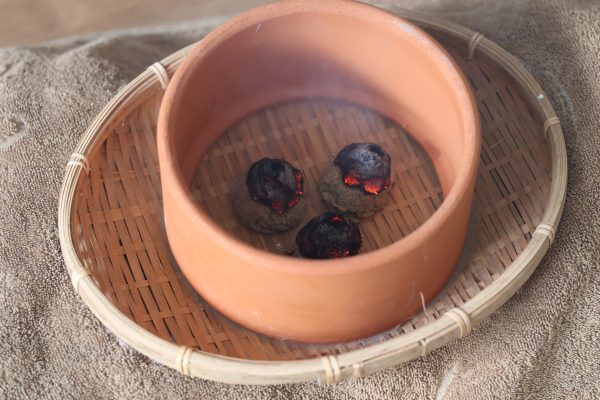
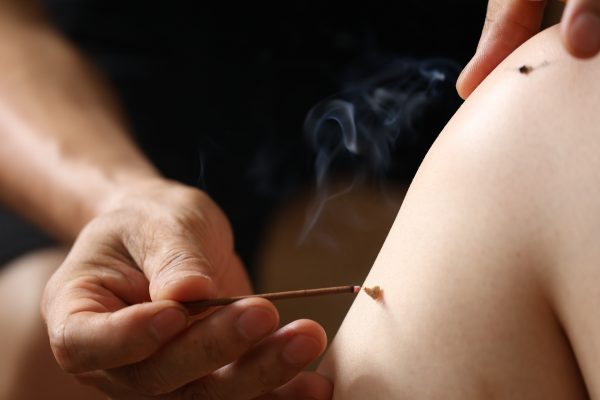
– King Moxibustion or Moxibustion
– Clinical Massage + Acupressure
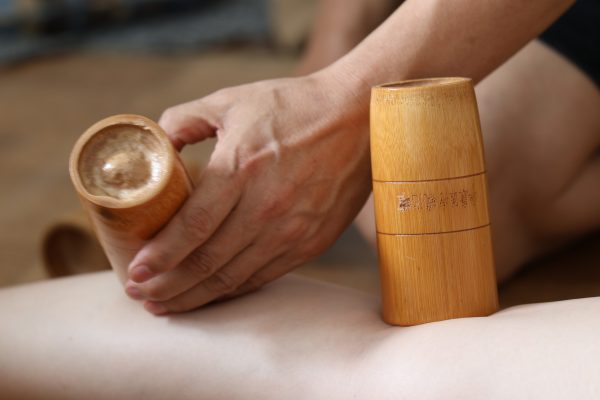
– Cupping or Functional Cupping
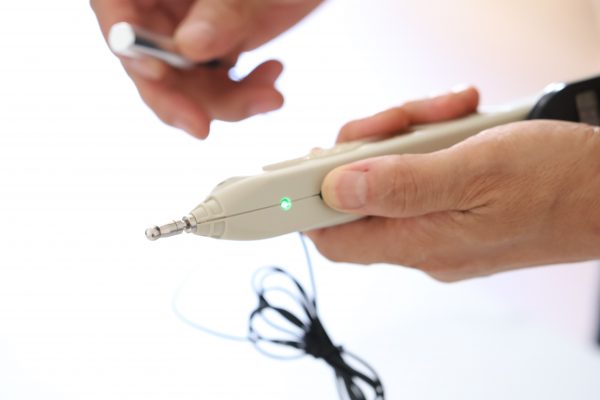
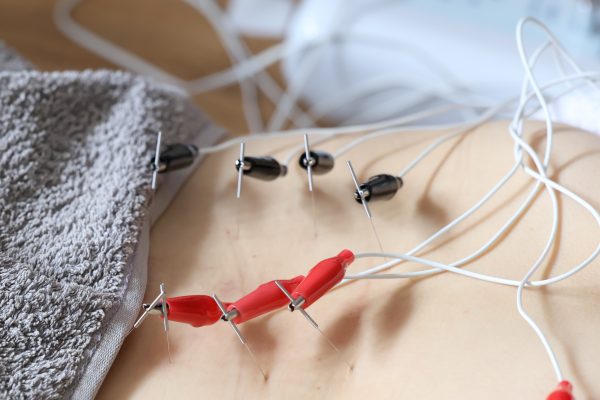
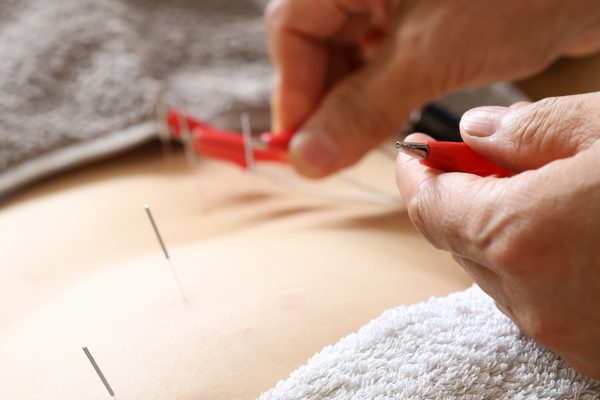
– Electro Acupuncture or Laser Acupuncture or MPS Acupuncture or Ear Acupuncture
– Musculoskeletal Assessment + Stretching

ADHD

Treatment of ADHD in TCM through acupuncture and oriental medicine is vastly different than Western medicine where ADHD is believed to be a complex neurodevelopmental disorder. 

Treatments:
– Herbal Medicine
– Acupuncture + Saam Acupuncture
– King Moxibustion or Moxibustion
– Electro Acupuncture or Laser Acupuncture or MPS Acupuncture or Ear Acupuncture

Parkinson Disease

Parkinson’s disease affects the part of the brain that controls muscle movement. The exact cause of this disease is not known, but there is a notable decrease in a chemical called dopamine people with Parkinson’s. There is no cure for Parkinson’s, but it often progresses slowly and the symptoms may be helped managed.

Signs
The 4 most common signs of Parkinson’s are:

  • Tremors or shaking when at rest
  • Muscle stiffness
  • Slowed movement or problems starting movement
  • Problems with balance and movement

As these signs worsen, you may also have trouble walking, talking, swallowing or doing simple tasks such as bathing or dressing. As the disease progresses, other signs such as pain, bowel or bladder problems and sleep problems may occur.

Treatment may include:
– Herbal Medicine
– Acupuncture + Saam Acupuncture
– King Moxibustion or Moxibustion
– Clinical Massage + Acupressure
– Electro Acupuncture or Laser Acupuncture or MPS Acupuncture or Ear Acupuncture
– Musculoskeletal Assessment + Stretching

Tourette’s Syndrome

Tic disorder and Tourette’s Syndrome are considered to be caused by imbalance of the TMJ, leading to subluxation of the upper cervical vertebrae as well as abnormality of the brain-nervous system.


*Tourette’s Syndrome is diagnosed when both motor and phonic tics are present for more than one year.

Treatments that may help
– Herbal Medicine
– Acupuncture + Saam Acupuncture
– King Moxibustion or Moxibustion
– Clinical Massage + Acupressure
– Electro Acupuncture or Laser Acupuncture or MPS Acupuncture or Ear Acupuncture

Noises in the Ears

From the perspective of Traditional Chinese Medicine, tinnitus is considered as a circulation problem around the ear, neck or shoulder region. The ears are the openings of the kidney on the body surface, and they are also important pivot locations for the meridians to communicate with each other. TCM believes that tinnitus is not an auditory disease, but is often related to certain channels and particular internal organs.

Treatments:
– Herbal Medicine
– Acupuncture + Saam Acupuncture
– King Moxibustion or Moxibustion
– Clinical Massage + Acupressure
– Electro Acupuncture or Laser Acupuncture or MPS Acupuncture or Ear Acupuncture
Depression

Depression is a condition that involves both the mind and the body and affects how a person feels, thinks, and behaves, and may make a person feel anxious and apathetic. From the perspective of Traditional Chinese Medicine, depression is considered as a problem of constraint, and largely related to the stagnation of liver Qi. The liver is the energetic organ responsible for circulating the Qi, or vital energy of the body. As a person’s mood becomes low, this depresses the flow of Qi within the body leading to liver Qi stagnation. Essentially, this indicates that the Qi within the body is not flowing smoothly and results in the symptoms of depression.

Treatments
– Herbal Medicine
– Acupuncture + Saam Acupuncture
– King Moxibustion or Moxibustion
– Clinical Massage + Acupressure
– Electro Acupuncture or Laser Acupuncture or MPS Acupuncture or Ear Acupuncture
Insomnia

In Chinese medicine, the liver is directly related to stress. When stressed, Qi becomes congested, and the liver bears the burden. “Hwa”, which means fire, then accumulates in the liver that causes restlessness in body and mind that prevents the patient from falling asleep. It is suggested to be common among short-tempered people.
At times, they may feel their heart palpitate, or pressure on their heart. They may find it difficult control emotions, and easy to lose their temper. Such stress-induced insomnia is probably the most commonly observed type of sleep disorder. To alleviate it, TCM relieves the congested Qi in the liver to reduce the heat and bring peace of mind.
The heart is believed to manage the Qi in all other organs, and in charge of our mental activities. Governing the mind is one of the heart’s roles. When the heart lacks blood, we feel restless.
The spleen on the other hand, is believed to be in charge of emotions such as anxiety and apprehension. If you are overly anxious and constantly worried, the Qi and Blood in heart and spleen may become damaged, resulting in restless sleep and excessive dreaming without falling into deep sleep. Apart from the lack of deep sleep, such patients may also notice heart palpitations, forgetfulness, and digestive dysfunctions such as indigestion and diarrhoea.
The gallbladder is the organ which is believed to be responsible for decision-making. Decisiveness and determination are said to emanate from the gallbladder. If the gallbladder Qi is insufficient, the person may appear to lack courage, and become apprehensive and very indecisive. Such patients often find their mind meandering from thought to thought that prevents them from falling asleep.
Whilst treating the correctly identified cause is important, your daily habits may be what is preventing you from getting a good night’s sleep. Such habits should be reformed first so that our body recovers its natural rhythm and maintain good quality sleeps.

Treatment may include:
– Herbal Medicine
– Acupuncture + Saam Acupuncture
– King Moxibustion or Moxibustion
– Clinical Massage + Acupressure
– Electro Acupuncture or Laser Acupuncture or MPS Acupuncture or Ear Acupuncture
Numbness and Tingling

Numbness and tingling of your extremities (hands and feet) is called peripheral neuropathy and is caused by damage to the nerves between the extremities and the central nervous system (CNS). Some chemotherapy drugs can cause peripheral neuropathy.
There are many possible causes of numbness and tingling. Some of the more common of these include:

  • Diabetes
  • AIDS
  • Uremia (too much urea in the blood due to kidney problems)
  • Severe malnutrition
  • Trauma, such as broken or dislocated bones
  • Cancer
  • Certain medicines or toxic substances

According to Traditional Chinese Medicine, pain and dysfunction as a result of peripheral neuropathy are caused by a blockage of qi-energy and blood.

If qi-energy and blood don’t flow properly, it prevents cells and tissues from receiving nourishment and can lead to pain and functional problems.

Acupuncture and Herbal Medicine may help to relieve many of the symptoms experienced, as well as help to strengthen the body and improve health to improve the functioning of the nerves and the body as a whole. Acupuncture and Herbal Medicine shows promising results for those suffering from peripheral neuropathy.